.webp)
How To Fish Tips & Guides – Complete Fishing Guide for Beginners
ADVERTISEMENT
<h1>How To Fish Tips & Guides – Complete Fishing Guide for Beginners</h1>

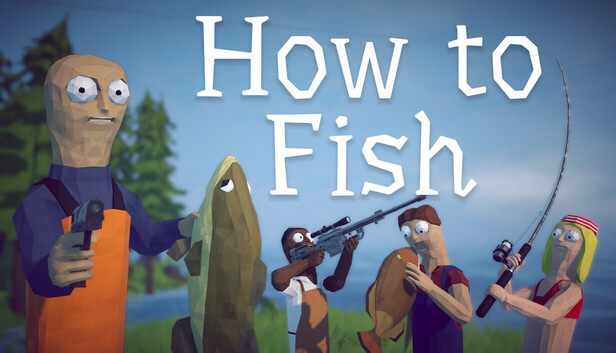
<p>How To Fish is a great choice for players who enjoy relaxing gameplay, exploring fishing locations, and learning how to catch different types of fish. Whether you are a beginner or an experienced player looking to improve your results, understanding the basic mechanics and developing a consistent fishing strategy can make every session more rewarding. This guide covers essential fishing tips, equipment choices, bait selection, casting techniques, fish behavior, and progression strategies to help you get more out of your fishing adventure.</p>

<p>Every fishing game can have its own mechanics, controls, and objectives. The tips in this guide focus on general fishing-game principles that can help you adapt to different challenges. Always pay attention to the instructions and features available in your version of How To Fish, since specific equipment, fish species, and rewards may vary.</p>

<h2>1. Start by Learning the How To Fish Basics</h2>

<p>Before trying to catch rare fish or complete difficult challenges, take some time to understand the basic controls. Most fishing games introduce a sequence of actions, such as choosing a fishing spot, preparing bait, casting a line, waiting for a bite, and reeling in the fish. Learning how these actions work will help you avoid unnecessary mistakes and make your early sessions much easier.</p>

<p>Pay attention to on-screen instructions, tutorial messages, and control indicators. Some games require players to tap or click at the right moment, while others use timing bars, moving targets, or simple hold-and-release controls. Practicing the basic sequence allows you to react more naturally when a fish bites and reduces the chance of losing a catch because you are unfamiliar with the controls.</p>

<h3>Understand the Main Gameplay Loop</h3>

<p>Think of fishing as a series of connected steps rather than a single action. You prepare your equipment, choose a location, cast your line, respond to a bite, and complete the catch. Some games also reward players for selling fish, collecting new species, upgrading equipment, or finishing missions.</p>

<ul>
<li>Read the tutorial before skipping directly into advanced activities.</li>
<li>Learn how to cast, hook, reel, and release or collect a fish.</li>
<li>Check whether the game uses stamina, energy, coins, or other resources.</li>
<li>Identify the main objective, such as catching a target species or earning rewards.</li>
</ul>

<h3>Practice Before Spending Resources</h3>

<p>If the game includes limited bait, currency, or equipment durability, use early sessions to practice with inexpensive options. This gives you a chance to understand the controls without risking valuable resources. Once you become comfortable with the fishing process, you can experiment with better equipment and more challenging targets.</p>

<h2>2. Choose the Right Fishing Location</h2>

<p>Location can have a major impact on your fishing results. Different areas in a fishing game may contain different fish species, reward levels, difficulty settings, or environmental conditions. A beginner-friendly location is usually the best place to develop your skills because it allows you to practice without facing overly demanding challenges.</p>

<p>As you explore, look for clues that indicate where fish may be found. These clues can include ripples, shadows beneath the water, moving fish, bubbles, floating objects, or location descriptions. Not every visual clue guarantees a catch, but learning to recognize patterns can help you choose more promising spots instead of casting randomly.</p>

<h3>Match the Location to Your Goal</h3>

<p>Before selecting a fishing spot, decide what you want to achieve. If your goal is to earn currency, a location with reliable, easy-to-catch fish may be more efficient than an advanced area with rare but difficult targets. If you are completing a collection, prioritize locations associated with the fish you still need.</p>

<ul>
<li><strong>Practice:</strong> Choose accessible areas with manageable fishing challenges.</li>
<li><strong>Earn rewards:</strong> Look for locations that provide consistent catches.</li>
<li><strong>Complete collections:</strong> Focus on areas that may contain missing species.</li>
<li><strong>Challenge yourself:</strong> Try harder locations after learning the controls.</li>
</ul>

<h3>Explore One Area at a Time</h3>

<p>Rather than moving between locations without a plan, spend enough time in one area to understand its opportunities. Record which bait or technique works well, what kinds of fish appear, and whether the rewards justify the effort. Even a simple mental checklist can help you recognize the most productive locations as you progress.</p>

<h2>3. Select the Best Bait and Fishing Equipment</h2>

<p>Bait and equipment are important parts of many fishing games. Different bait options may attract different fish, while rods, reels, lines, and other tools can influence casting distance, control, or the difficulty of landing a catch. The most expensive equipment is not always the best choice for every situation. The ideal setup depends on your target, available resources, and the mechanics of the game.</p>

<p>Start by examining the equipment descriptions. If an item improves casting distance, it may be useful when fish are located far from shore. If another item improves control or strength, it may be better for challenging catches. Likewise, bait descriptions may provide hints about which fish are likely to respond to a particular option.</p>

<h3>Match Bait to the Target</h3>

<p>When the game provides information about fish preferences, use it to guide your bait selection. Avoid wasting rare bait on ordinary targets if you can catch them with a cheaper alternative. Save specialized items for missions, difficult fish, or situations where they offer a clear advantage.</p>

<h3>Upgrade Equipment Strategically</h3>

<p>Upgrades should solve a problem you regularly encounter. If fish repeatedly escape during the reeling stage, equipment that improves control or strength may be more useful than a tool focused on casting distance. If you cannot reach productive areas, a casting upgrade could be the better investment.</p>

<ul>
<li>Compare equipment statistics before purchasing an upgrade.</li>
<li>Keep enough currency for essential supplies.</li>
<li>Use basic equipment to practice new techniques.</li>
<li>Prioritize upgrades that address your most frequent failures.</li>
<li>Check whether an item is useful for your current location and objective.</li>
</ul>

<h2>4. Master Casting and Timing Techniques</h2>

<p>Casting is often the first skill players need to master. Some fishing games allow you to choose the direction and distance of a cast, while others simplify the action into a single button press. If the game includes a power meter or aiming indicator, practice releasing at different points to understand how the result changes.</p>

<p>Good timing can also make a difference when a fish bites. A game may require you to react quickly, press a button when an indicator reaches a target, or follow a sequence of prompts. Instead of tapping randomly, watch the interface and learn the timing window. A calm, deliberate response is often more effective than repeatedly pressing buttons.</p>

<h3>Improve Casting Accuracy</h3>

<p>When aiming is available, focus on placing the line near visible fish or promising water areas. Do not assume that the longest cast is always the best cast. A shorter, accurate cast may be more effective if fish are concentrated close to the fishing spot.</p>

<h3>Respond to Bites Carefully</h3>

<p>Watch for the game's bite indicator, changes in the fishing line, or other signals that a fish has taken the bait. React according to the controls shown on the screen. If you miss a bite, treat it as a learning opportunity and observe whether you reacted too early, too late, or with the wrong input.</p>

<ol>
<li>Choose a target area if the game supports aiming.</li>
<li>Cast using the appropriate control.</li>
<li>Wait for a clear bite signal.</li>
<li>Follow the hooking prompt or timing mechanic.</li>
<li>Prepare for the reeling stage instead of assuming the catch is complete.</li>
</ol>

<h2>5. Learn How to Reel in Fish Successfully</h2>

<p>Landing a fish can be more challenging than attracting one. Many fishing games include a reeling mechanic that tests your timing, patience, or ability to manage tension. Some use a moving indicator, while others require players to alternate between holding and releasing a control. Understanding the specific mechanic is essential because using maximum force continuously may not always produce the best result.</p>

<p>Pay attention to any tension bar, progress meter, fish movement indicator, or warning signal. If the game shows that the line is under too much pressure, follow its instructions to reduce tension. If the fish is escaping, you may need to react more quickly or maintain the correct input for longer. Learn what each indicator means before attempting the hardest catches.</p>

<h3>Stay in Control During the Fight</h3>

<p>When a fish pulls away, avoid panicking. Use the game's visual feedback to determine whether you should continue reeling, pause, or change your input. A controlled approach is usually easier to repeat than an aggressive strategy that works only by chance.</p>

<h3>Recognize Common Reeling Mistakes</h3>

<ul>
<li>Reeling continuously when the game signals excessive tension.</li>
<li>Ignoring prompts that indicate the fish is moving or resisting.</li>
<li>Reacting too early to a bite or waiting too long to hook the fish.</li>
<li>Using equipment that is poorly suited to the target.</li>
<li>Trying difficult fish before learning the reeling system.</li>
</ul>

<p>After each failed attempt, identify the moment when the catch went wrong. If you consistently lose fish during the same stage, practice that mechanic before changing every part of your setup. Focused improvement helps you progress faster than repeatedly restarting without adjusting your strategy.</p>

<h2>6. Understand Fish Behavior and Rarity</h2>

<p>Many fishing games include several types of fish, from common catches to rare or special species. These fish may differ in size, value, behavior, or difficulty. A common fish can be useful for earning early rewards, while a rare fish may require more suitable bait, better equipment, or access to a particular location.</p>

<p>Do not assume that every rare fish follows the same pattern. Some games use location-based availability, while others introduce randomized encounters or specific mission requirements. Review the information available in your fish collection, encyclopedia, mission list, or location guide to learn what the game actually supports.</p>

<h3>Build a Fish Collection</h3>

<p>If the game tracks collected species, use the collection screen to identify what you have already caught and what remains missing. This creates a clear goal for each session. Instead of spending all your time catching the same familiar fish, you can gradually explore new locations and test different bait options.</p>

<h3>Balance Common and Rare Catches</h3>

<p>Rare fish can be exciting, but chasing them exclusively may slow down your progress if each attempt consumes valuable resources. Alternate between reliable catches and more difficult targets. Common fish can help build your resources, while occasional attempts at rare species keep the gameplay interesting and help you work toward collection goals.</p>

<ul>
<li>Check the fish collection for missing entries.</li>
<li>Read any hints about location, bait, or difficulty.</li>
<li>Use affordable equipment when testing an unfamiliar target.</li>
<li>Track which strategies have already produced results.</li>
<li>Return to difficult targets after improving your setup.</li>
</ul>

<h2>7. Complete Missions and Earn More Rewards</h2>

<p>Missions and challenges can provide structure to your fishing sessions. Instead of fishing without a clear objective, you may be asked to catch a particular species, collect several fish, reach a target score, or earn a certain amount of currency. Completing these tasks can help you unlock additional activities or make progress toward the game's main goals.</p>

<p>Read the mission requirements before starting. A challenge may require a specific fish rather than simply a large number of catches. If you understand the objective in advance, you can choose an appropriate location, prepare suitable bait, and avoid spending time on activities that do not contribute to the task.</p>

<h3>Prioritize Easy and Useful Missions</h3>

<p>Early in the game, focus on objectives that match your current abilities. Missions that require familiar fish or simple catches can provide steady progress while you learn the mechanics. Save more demanding challenges for when you have better equipment or a stronger understanding of the fishing system.</p>

<h3>Manage Your Time and Resources</h3>

<p>If a challenge requires multiple attempts, set a reasonable limit on how many resources you will spend before changing your approach. When the same strategy repeatedly fails, review your bait, location, equipment, and timing rather than continuing without a plan.</p>

<ol>
<li>Read the complete mission objective.</li>
<li>Identify the fish or action required.</li>
<li>Choose a suitable location and setup.</li>
<li>Complete the task while monitoring resource use.</li>
<li>Collect the reward and review the next available objective.</li>
</ol>

<h2>8. Avoid Common Beginner Mistakes</h2>

<p>New players often assume that fishing success depends entirely on luck. Randomness may be part of a game, but your decisions can still affect how efficiently you play. Choosing a suitable location, understanding the controls, and using appropriate equipment can reduce wasted attempts and make your results more consistent.</p>

<p>Another common mistake is upgrading equipment too quickly. Purchasing every available item can leave you without enough currency for supplies or important later upgrades. Instead, identify the obstacle that is preventing progress and spend resources on a tool that directly addresses it.</p>

<h3>Stop Repeating an Unsuccessful Strategy</h3>

<p>If a fishing attempt fails several times, change one variable at a time. Try a different bait, move to another location, adjust your casting method, or practice the reeling controls. Changing only one factor makes it easier to understand which adjustment improves your results.</p>

<h3>Use a Simple Improvement Checklist</h3>

<ul>
<li><strong>Location:</strong> Is the target fish available here?</li>
<li><strong>Bait:</strong> Am I using an appropriate option?</li>
<li><strong>Equipment:</strong> Can my current setup handle this challenge?</li>
<li><strong>Timing:</strong> Did I respond correctly to the bite indicator?</li>
<li><strong>Reeling:</strong> Did I follow the tension or movement prompts?</li>
<li><strong>Resources:</strong> Is this attempt worth the cost?</li>
</ul>

<p>Keeping these questions in mind makes each session more useful. Even when you do not catch the fish you wanted, you can still learn something that improves your next attempt.</p>

<h2>9. Build an Efficient Fishing Progression Strategy</h2>

<p>As you become more familiar with How To Fish, create a progression plan that balances practice, rewards, equipment, and exploration. A strong routine helps you avoid spending too much time on challenges that are beyond your current level. Begin with reliable activities, improve your setup when necessary, and gradually move toward more difficult targets.</p>

<p>Consider separating your fishing sessions into three types. Practice sessions help you improve casting and reeling. Resource sessions focus on collecting dependable catches or currency. Exploration sessions are for trying new locations, bait, and fish species. This approach gives each session a purpose and helps you decide when to take risks.</p>

<h3>Follow a Repeatable Routine</h3>

<p>A simple routine can make your progress more consistent. Start by checking missions and available resources. Choose an objective that fits your equipment, fish in a suitable area, and review your results before spending money on upgrades. Repeat the process until you have enough resources or skill to attempt a harder challenge.</p>

<ol>
<li>Check current objectives and collection progress.</li>
<li>Choose one realistic goal for the session.</li>
<li>Prepare the right bait and equipment.</li>
<li>Fish in a location suited to that goal.</li>
<li>Review your catches and resource use.</li>
<li>Upgrade only when an upgrade provides a clear benefit.</li>
<li>Move to a harder challenge when you are ready.</li>
</ol>

<h3>Measure Progress Beyond Rare Catches</h3>

<p>Progress is not only about landing the biggest or rarest fish. Better timing, fewer failed attempts, more efficient resource use, and a growing collection are all signs that your skills are improving. Tracking these smaller achievements can make the game more satisfying and help you recognize when you are ready for a new challenge.</p>

<h2>10. Develop Your Own How To Fish Playstyle</h2>

<p>Once you understand the fundamentals, experiment with different approaches and discover which parts of the game you enjoy most. Some players prefer steady fishing and predictable rewards, while others enjoy hunting for rare species, exploring unfamiliar locations, or completing every available challenge. There is no need to follow the same strategy for every objective.</p>

<p>Your playstyle should also adapt as you unlock new options. A location that was difficult at the beginning may become easier after you improve your equipment. A previously unhelpful bait may become valuable when you pursue a different target. Revisit earlier areas occasionally to see whether your new skills or equipment change the results.</p>

<h3>Set Personal Fishing Goals</h3>

<p>Personal goals keep each session engaging. You might aim to catch a species you have never collected, finish a mission without wasting supplies, improve your success rate, or explore a new fishing area. Choose goals that are specific enough to measure but flexible enough to remain enjoyable.</p>

<h3>Keep Experimenting and Learning</h3>

<p>Fishing games reward observation and adaptation. When a strategy works, remember the conditions that made it successful. When it fails, use the result to guide your next decision. Over time, you will develop a better understanding of the game's systems and become more confident when facing unfamiliar challenges.</p>

<ul>
<li>Experiment with different locations and available bait.</li>
<li>Improve one skill at a time instead of changing everything at once.</li>
<li>Balance collection goals with steady resource gathering.</li>
<li>Revisit earlier challenges after upgrading your equipment.</li>
<li>Choose strategies that make the game enjoyable for you.</li>
</ul>

<h2>Conclusion: Become a Better Player with These How To Fish Tips</h2>

<p>Learning how to fish in a game is about more than casting a line and waiting for a bite. By understanding the controls, selecting suitable locations, choosing the right bait, improving your timing, and mastering the reeling process, you can make your fishing sessions more efficient and enjoyable. Small improvements in each area can lead to better results over time.</p>

<p>Remember to complete useful missions, manage your resources carefully, learn from unsuccessful attempts, and build a collection at your own pace. You do not need the most expensive equipment or the rarest catch to make progress. A clear objective and a consistent strategy are often enough to help you improve.</p>

<p>Whether you prefer relaxed fishing, collecting different species, or tackling challenging catches, these How To Fish tips and guides can help you approach the game with more confidence. Practice regularly, stay curious, and enjoy discovering what each new fishing session has to offer.</p>

<p><strong>Summary:</strong> Learn How To Fish with beginner-friendly tips for casting, bait selection, fishing locations, reeling, missions, equipment upgrades, and efficient progression.</p>