
War Thunder is a comprehensive military vehicle combat simulator covering air, land, and naval warfare. Unlike arcade shooters, mastery demands strategic thinking, precise aim, situational awareness, and deep understanding of vehicle mechanics. Each vehicle class, era, and map requires tailored tactics.
This guide will take you from a novice recruit to an elite commander. You will learn how to optimize your loadouts, master vehicle handling, exploit map features, coordinate with teammates, and dominate every battle across multiple modes and theaters of war. By following these strategies, you can consistently outperform opponents and become a versatile War Thunder ace.
Understanding Vehicle Classes and Their Roles
War Thunder features planes, tanks, and naval vessels, each with unique gameplay mechanics. Aircraft are divided into fighters, bombers, and attack planes. Tanks range from light, fast vehicles to heavily armored monsters. Naval units include destroyers, cruisers, and battleships.
Choosing your focus is essential. Beginners often start with fighters due to mobility and dogfighting experience, while ground forces offer slower but strategic engagements. Naval combat requires patience and positioning awareness. Understanding vehicle roles ensures you are effective in every match.
Subheading: Play to Strengths
Select vehicles that complement your playstyle and allow you to leverage mobility, firepower, or survivability.
Mastering Flight Mechanics and Dogfighting
Aircraft combat requires understanding flight physics, energy management, and maneuvering. Different planes handle differently based on weight, engine type, and historical design. Climbing, turning, diving, and maintaining energy are crucial to outmaneuver opponents.
Lead your shots based on speed, angle, and distance. Strafe attacks and deflection shooting are essential against agile targets. Use altitude as a tactical advantage: higher energy gives you more options in engagements.
Subheading: Situational Awareness
Constantly scan for threats, allies, and ground targets to maintain battlefield control.
Optimizing Tank Combat and Ground Warfare
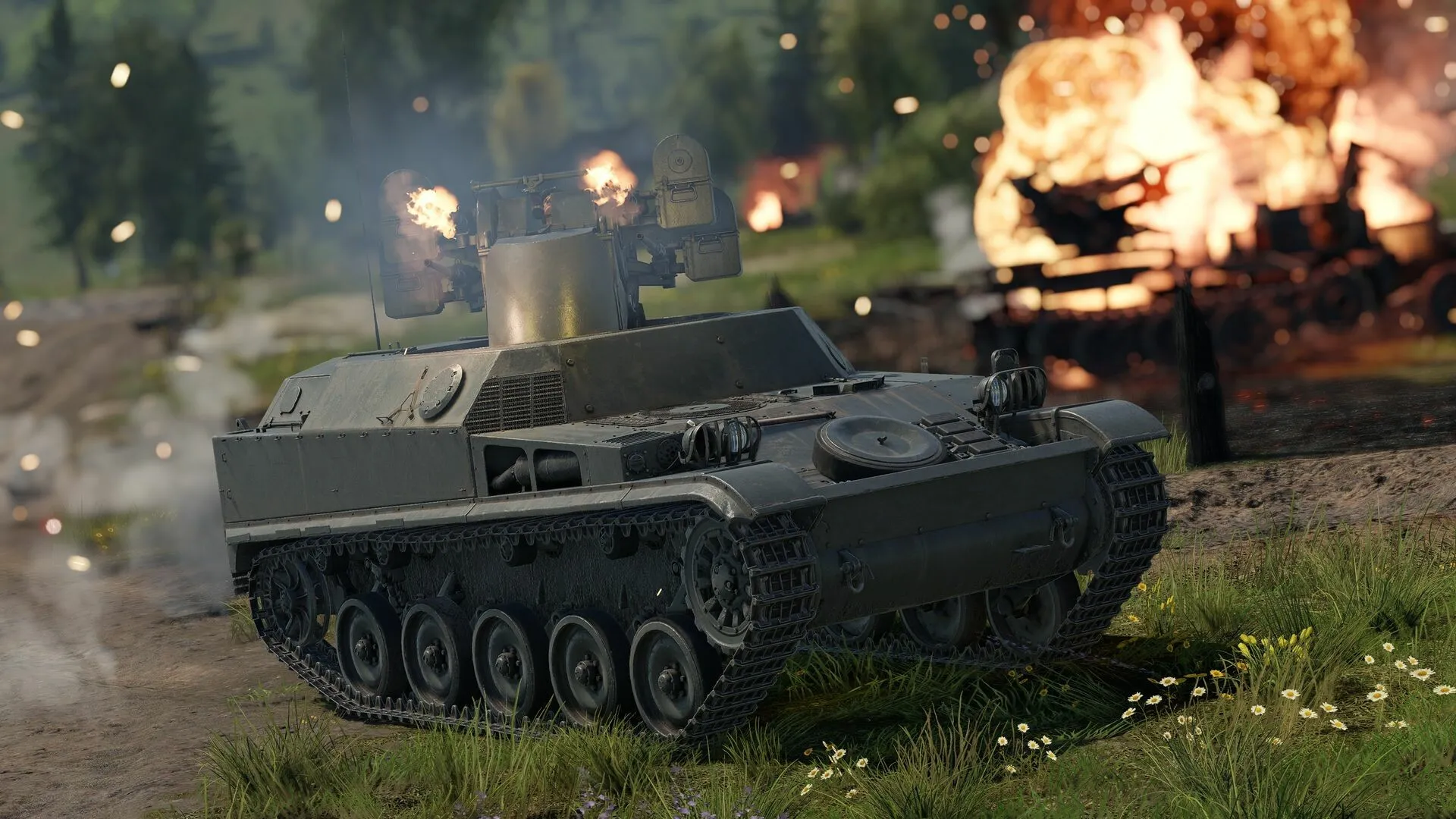
Ground battles rely on positioning, armor knowledge, and tactical thinking. Use hull angling and cover to reduce incoming damage. Light tanks scout, mediums support flanks, heavies anchor pushes, and tank destroyers ambush from concealed positions.
Shell choice matters. AP, APCR, and HE rounds have specific uses depending on target armor. Learn weak points of enemy vehicles and adjust shots accordingly. Mastering ground combat requires patience, teamwork, and map awareness.
Subheading: Exploit Terrain
Hills, depressions, and buildings are your friends. Always use the environment to shield weak points and set ambushes.
Naval Combat and Ship Handling
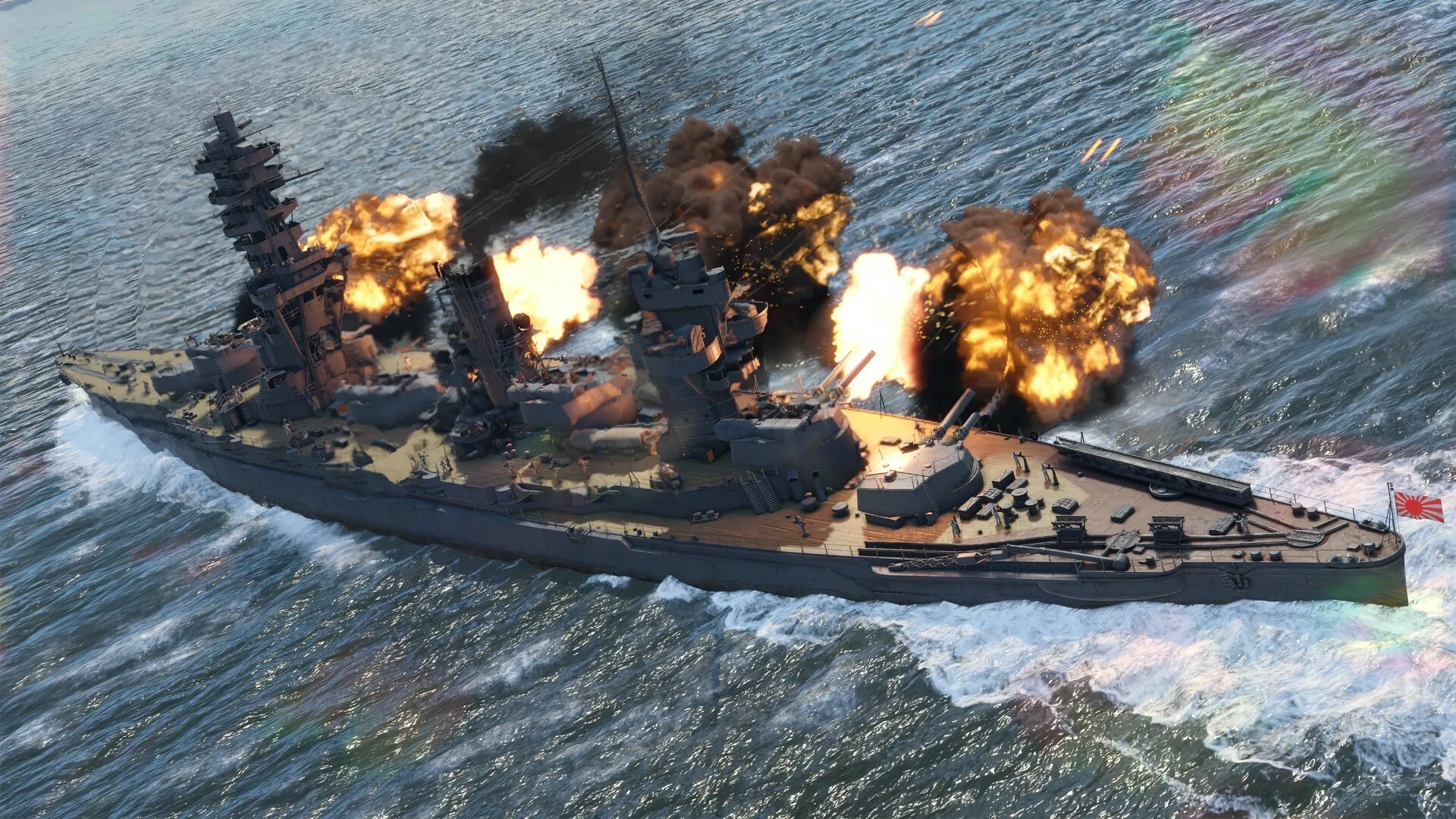
War Thunder’s naval component demands understanding ship movement, gun mechanics, and torpedo tactics. Destroyers excel in speed and stealth, cruisers provide versatile firepower, and battleships act as anchors for engagements.
Positioning and angling are crucial. Broadside exposure invites devastating fire. Use islands, smoke, and terrain to conceal movements. Naval combat is slower-paced but punishes mistakes heavily.
Subheading: Predict Enemy Paths
Anticipate enemy movements and use range effectively to maximize damage while minimizing exposure.
Mastering Ammo Selection and Damage Mechanics
Choosing the right ammunition impacts performance. For planes, select bombs, rockets, or cannons depending on target. Tanks rely on AP, HE, and specialized rounds. Naval ships use AP, HE, and torpedoes strategically.
Understanding penetration mechanics and armor layout is critical. Firing at weak points, adjusting angles, and predicting movement ensures consistent damage output. Misused ammo or poor targeting can waste opportunities and lead to defeat.
Subheading: Precision Over Volume
Each shot matters; prioritize accuracy and effectiveness over raw firing volume.
Map Awareness and Tactical Positioning
Every battle is influenced by map layout, objectives, and choke points. In air battles, high altitude gives tactical options. On land, hills and urban areas provide cover. At sea, islands and coastline define engagement ranges.
Awareness allows you to anticipate enemy movement, support teammates, and choose when to engage or retreat. Study each map to find favorable positions and predict enemy strategies.
Subheading: Read the Battlefield
Effective commanders act proactively rather than reactively, gaining advantages through foresight.
Team Coordination and Role Fulfillment
War Thunder is team-centric. Successful players support allies, target priority enemies, and maintain cohesion. Coordinating air, land, and naval forces can overwhelm opponents.
Communication via quick commands or voice chat improves synergy. Support scouts, protect flanks, and time attacks. Coordinated efforts create opportunities that solo play rarely achieves.
Subheading: Work as a Unit
Effective teamwork often wins matches even against technically stronger opponents.
Mastering Advanced Tactics and Vehicle Specialization
Advanced players leverage unique characteristics of each vehicle. Fighters with superior climb rates control energy; heavy tanks dominate choke points; torpedoes hit slow ships from hidden positions.
Specialization ensures mastery. Focus on one vehicle line to understand its quirks, strengths, and weaknesses before expanding. Upgrade modules strategically to enhance performance in preferred combat roles.
Subheading: Know Your Vehicle Inside Out
Deep knowledge of a single vehicle or line leads to consistent high-level performance.
Late-Game Strategy and High-Tier Battles
High-tier battles amplify stakes. Faster, stronger vehicles with specialized ammunition and advanced modules require precise tactics. Endgame battles emphasize positioning, resource management, and teamwork.
Protect high-value targets, focus fire, and exploit terrain. Anticipate enemy strategy and adapt your tactics dynamically. Superior knowledge and skill determine outcomes more than raw firepower.
Subheading: Patience and Decision-Making
Late-game success requires composure and calculated actions rather than reckless aggression.
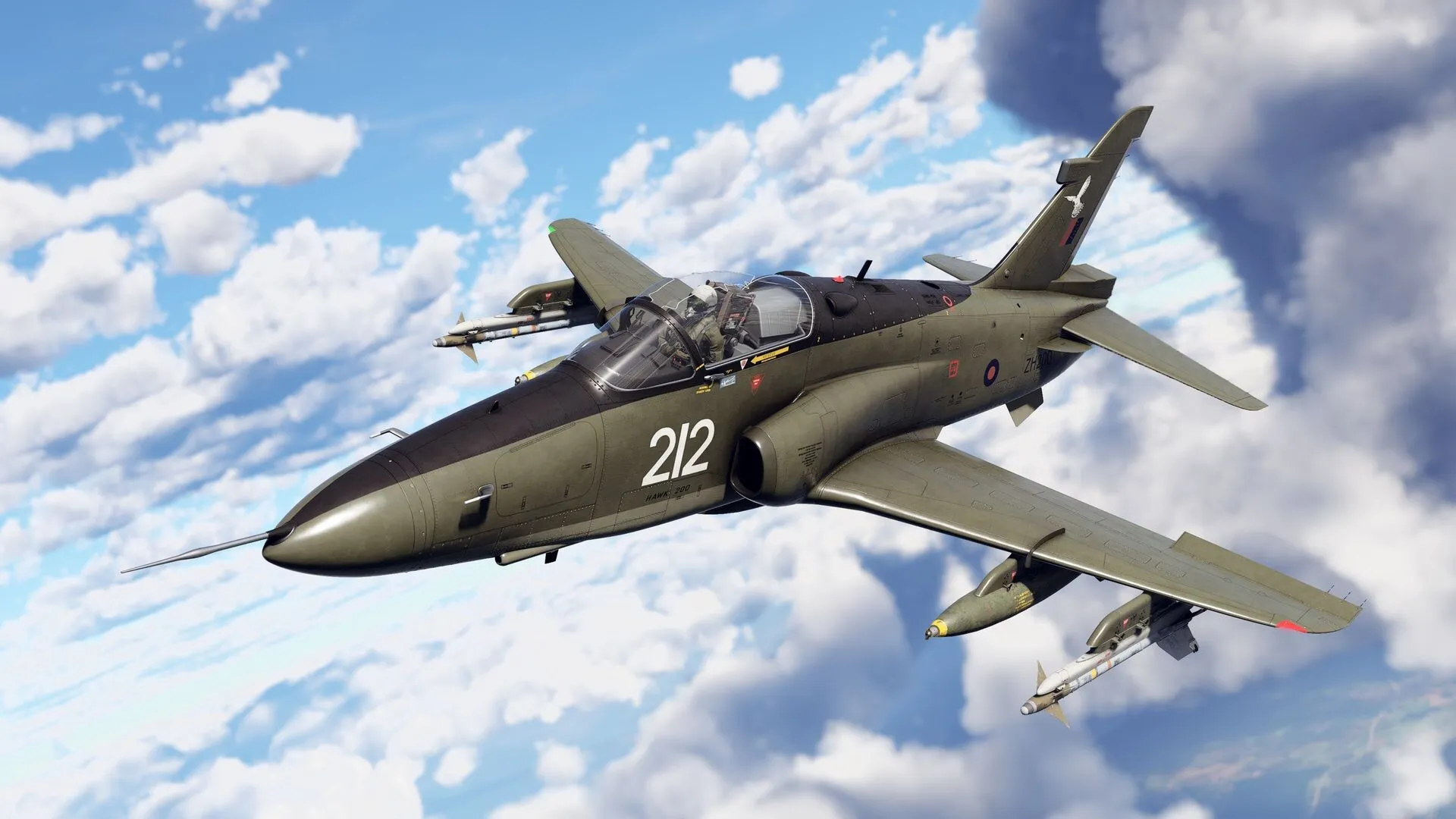
Progression, Crew Skills, and Module Optimization
Progression is central to War Thunder. Unlocking new vehicles, upgrading modules, and improving crew skills strengthens effectiveness. Crew skills affect aiming, reload speed, and survivability. Modules enhance mobility, protection, and weapon efficiency.
Optimize progression to complement your preferred vehicle type and playstyle. Focused upgrades provide more consistent advantages than spreading resources across multiple vehicles or modules.
Subheading: Long-Term Planning
Plan your tech tree path to maximize performance and unlock the vehicles that suit your strategic style.
Conclusion
Mastering War Thunder requires blending mechanical skill, tactical thinking, and teamwork. Victory comes to players who understand vehicle mechanics, positioning, map control, and coordination.
From air dogfights to tank duels and naval engagements, players who focus on specialization, advanced tactics, and battlefield awareness rise to elite status. Patience, observation, and smart decision-making define true mastery.