.webp)








Since its release, Elden Ring has reshaped the expectations of modern role-playing games. Developed by FromSoftware in collaboration with author George R. R. Martin, the game blends intricate world-building with a level of difficulty that challenges even the most experienced players.
In an era where many games prioritize accessibility and guidance, Elden Ring stands out by doing the opposite. It invites players into a vast, mysterious world and asks them to find their own path.
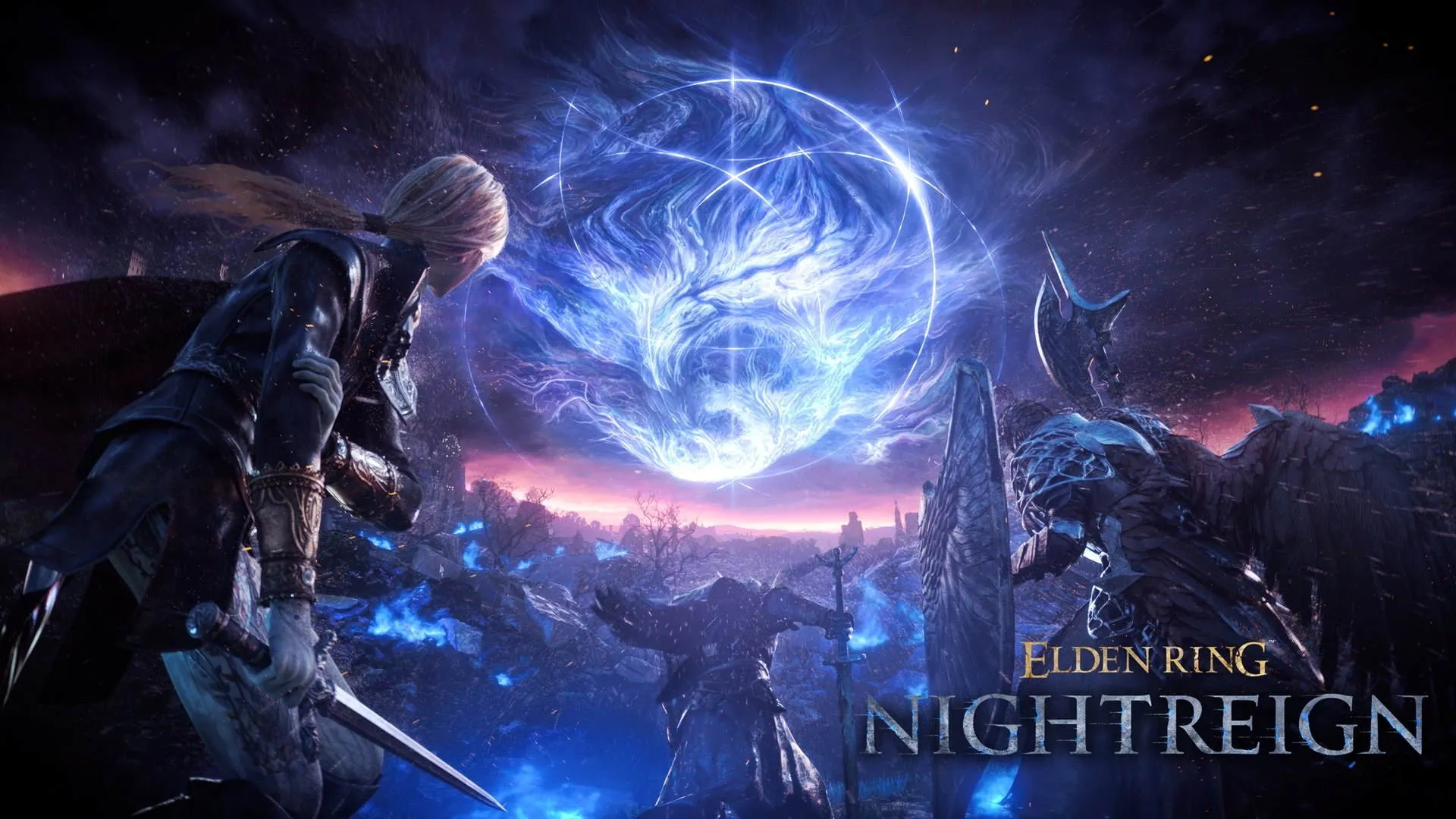
The Lands Between: A World Built on Mystery
The setting of Elden Ring, known as the Lands Between, is not just a backdrop—it is a central character in the experience. Unlike traditional open-world games filled with markers and guided objectives, this world reveals itself slowly.
Players are encouraged to explore without direction, discovering hidden dungeons, powerful enemies, and fragments of story scattered across the environment. This design creates a sense of genuine discovery, where every location feels earned rather than assigned.
The absence of excessive guidance transforms exploration into a personal journey, making each player’s experience unique.
Narrative Through Environment, Not Dialogue
Elden Ring takes a subtle approach to storytelling. Instead of relying heavily on cutscenes or dialogue, the game communicates its lore through environmental details, item descriptions, and visual cues.
Ruined castles, abandoned villages, and towering bosses all hint at a deeper history waiting to be uncovered. Players must piece together the narrative themselves, turning the act of understanding the story into part of the gameplay.
This method rewards curiosity and attention, encouraging players to engage with the world on a deeper level.
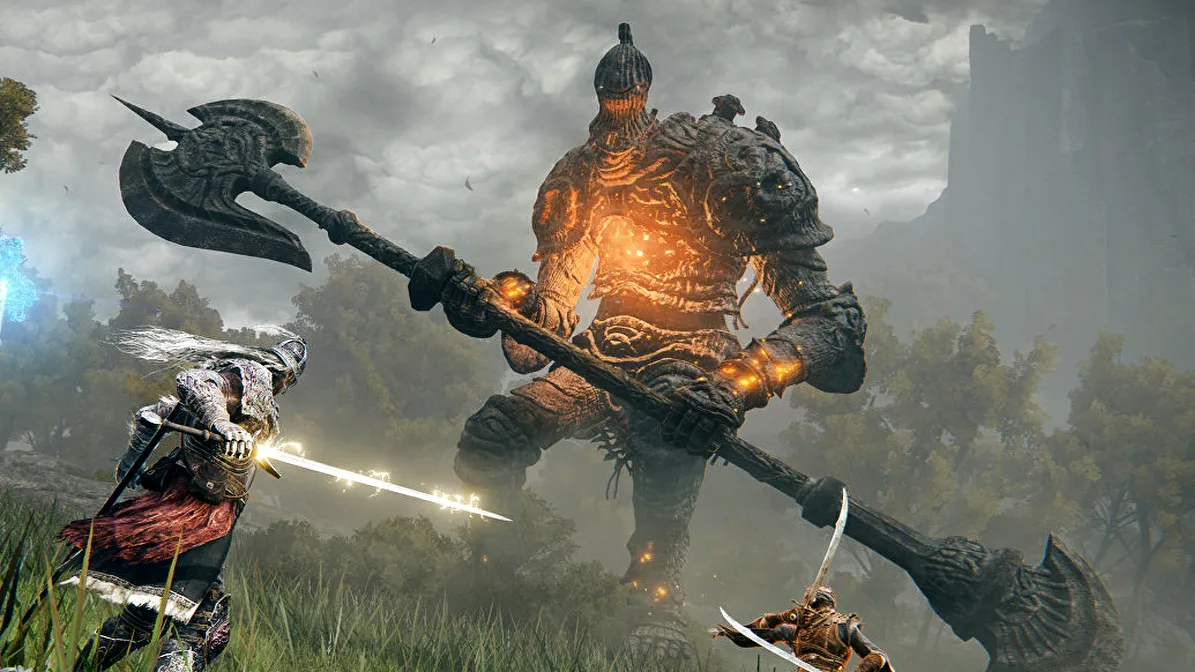
Combat System: Precision, Patience, and Punishment
At the core of Elden Ring lies its combat system, which demands precision and discipline. Every encounter requires timing, positioning, and strategic thinking.
Unlike more forgiving games, mistakes are often heavily punished. However, this difficulty is not arbitrary. It creates a strong sense of accomplishment when players overcome challenges.
Each victory feels meaningful, reinforcing the idea that progress is earned through skill and persistence rather than convenience.
Freedom of Playstyle and Character Build
Despite its difficulty, Elden Ring offers remarkable flexibility in how players approach the game. From melee-focused warriors to magic-based builds, the variety of playstyles allows for deep customization.
Players can adapt their strategies based on their preferences, experimenting with weapons, abilities, and tactics. This freedom ensures that no two playthroughs feel the same, adding significant replay value.
Community-Driven Experience
One of the most unique aspects of Elden Ring is how it fosters indirect interaction between players. Through in-game messages, players can leave hints, warnings, or even deceptive notes for others.
This system creates a shared experience without direct communication. Players feel connected through a collective journey, helping—or sometimes misleading—each other along the way.
Additionally, online discussions, guides, and theories have become a major part of the game’s culture, extending the experience beyond the screen.
A Contrast to Modern Gaming Trends
In many ways, Elden Ring stands in contrast to current gaming trends. While other titles focus on accessibility, tutorials, and constant rewards, this game embraces ambiguity and challenge.
It does not try to accommodate every player. Instead, it offers a specific vision and invites players to adapt to it. This approach has resonated strongly with audiences seeking deeper and more meaningful gameplay experiences.
Conclusion: A Landmark in Game Design
Elden Ring is more than just a successful RPG—it is a statement about the value of player agency, challenge, and discovery. By trusting players to navigate its world without excessive guidance, it delivers an experience that feels both personal and unforgettable.
As the gaming industry continues to evolve, Elden Ring serves as a reminder that complexity and difficulty still have a place in modern design. For many players, it represents not just a game, but a journey defined by perseverance, curiosity, and triumph.