.webp)






Popular Now
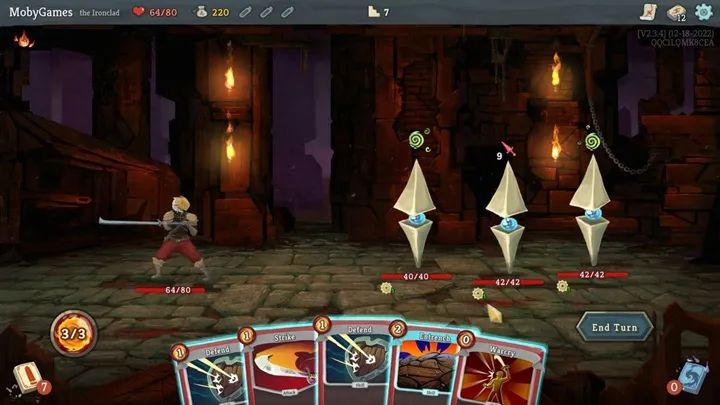
1.Understand That Slay the Spire Is About Decisions, Not Luck
Slay the Spire rewards long-term thinking.
Every choice affects future fights
Cards, relics, and paths are interconnected
Greedy decisions create late-game failures
Consistency beats high-risk gambles
Small mistakes compound over time
Smart decisions matter more than lucky draws.
2.Build a Focused Deck, Not a Large One
Deck control defines success.
Avoid picking cards every reward
Remove weak starter cards early
Choose cards that work together
Smaller decks draw key cards faster
Redundancy is worse than synergy
A lean deck performs more reliably.
3.Prioritize Synergy Over Raw Card Power
Strong cards can still lose games.
Choose cards that support your core plan
Avoid mixing conflicting archetypes
Enhance existing strengths instead of patching weaknesses
Let relics guide deck direction
Commit once a strategy is clear
Synergy outscales raw strength.
4.Manage Energy and Card Costs Carefully
Energy is the true resource.
Avoid too many high-cost cards
Balance zero, one, and two-cost cards
Energy relics change deck priorities
Dead hands lose fights
Efficiency wins longer combats
Energy control enables consistent turns.
5.Learn Enemy Patterns and Intent Icons
Information prevents damage.
Study enemy attack cycles
Plan turns based on intent indicators
Block only when necessary
Use debuffs proactively
Prepare for elite and boss patterns
Knowledge reduces unnecessary health loss.
6.Pathing and Map Choices Matter More Than Fights
The map is part of the game.
Plan routes before committing
Balance elites, campfires, and shops
Avoid elites when underpowered
Use campfires for upgrades over resting
Adapt paths to deck strength
Smart routing improves survival odds.
7.Use Relics to Shape Your Strategy
Relics define playstyle shifts.
Adjust card choices based on relics
Exploit relic synergies aggressively
Avoid ignoring relic effects
Plan combats around relic triggers
Some relics change risk tolerance
Relics often decide winning runs.
8.Know When to Defend Instead of Attacking
Aggression is not always optimal.
Block early against scaling enemies
Preserve HP for elites and bosses
Accept slower fights when needed
Avoid lethal overconfidence
Defense creates late-game stability
Survival enables victory.
9.Manage Gold and Shops Intelligently
Gold is strategic leverage.
Remove cards before buying new ones
Buy relics over situational cards
Avoid impulse purchases
Save gold for key moments
Shops correct deck weaknesses
Spending wisely strengthens runs.
10.Stay Calm and Accept Losses as Learning
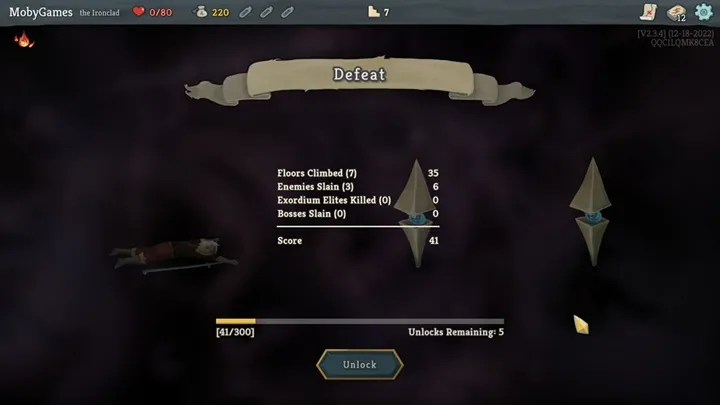
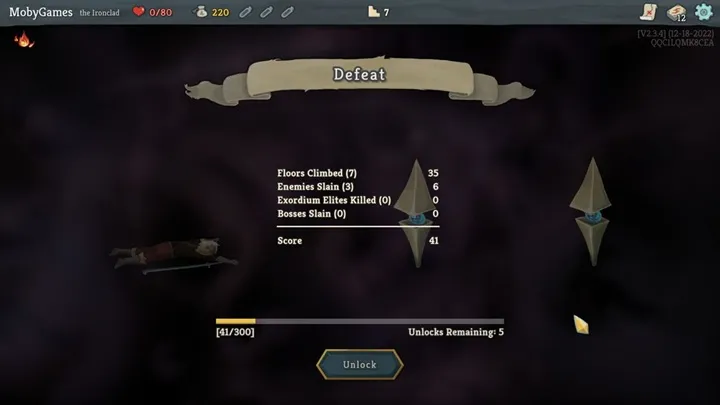
Losses are part of mastery.
Analyze why a run failed
Identify decision errors, not RNG
Avoid tilt-driven choices
Improve one concept per run
Progress naturally through ascension
Learning mindset accelerates improvement.
Final Thoughts
Slay the Spire is a strategic deck-building roguelike built around decision-making, efficiency, and adaptation rather than luck. By building focused decks, prioritizing synergy, managing energy and routing intelligently, and learning enemy patterns, players can consistently improve their win rate and climb ascension levels.
In Slay the Spire, victory is earned through discipline, not chance.