






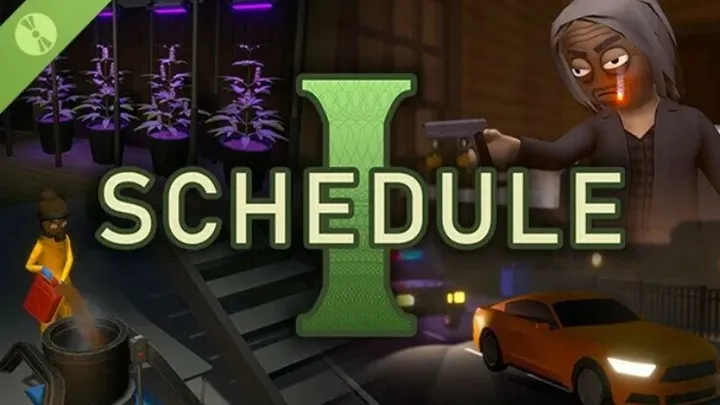
Schedule I is a gritty simulation game that places players in the role of building and managing an underground criminal operation. As a rising hot game, it stands out for its mature themes, strategic depth, and freedom-driven gameplay. Rather than focusing on action alone, Schedule I emphasizes planning, risk management, and decision-making in a hostile environment.
This detailed guide explains how to play Schedule I, understand its systems, grow your operation, and survive increasing pressure from rivals and law enforcement. For players interested in complex simulation games, this hot game offers a challenging and immersive experience.
1. The Concept and Vision Behind Schedule I
Schedule I takes inspiration from real-world crime dramas and management simulations. The developers aimed to create a realistic underground economy where every decision has consequences.
Its controversial theme helped push it into the spotlight as a hot game, especially among players who enjoy morally complex gameplay.
Design Philosophy
The game focuses on realism, consequence, and player choice rather than glorifying crime.
Core Design Goals
- High player freedom
- Consequence-driven systems
- Strategic management over action
- Dynamic world reactions
2. Why Schedule I Is a Hot Game
The popularity of Schedule I comes from its uniqueness. Few games allow players to simulate the growth of an illegal operation with such depth and tension.
Its sandbox structure and unpredictable outcomes make it a compelling hot game for strategy fans.
Reasons for Popularity
- Mature and realistic themes
- Deep management mechanics
- Emergent gameplay scenarios
- Strong streamer interest
Player Appeal
Players enjoy shaping their own rise or fall.
3. How to Get Started in Schedule I
New players often wonder how to begin without making costly mistakes. Schedule I starts small, forcing players to learn systems gradually.
Early gameplay emphasizes survival and learning mechanics rather than rapid expansion.
Early Priorities
- Learn the interface
- Understand resource flow
- Avoid unnecessary risks
Beginner Tips
- Start slow and observe patterns
- Avoid attracting attention early
- Focus on stability first

4. Core Gameplay Systems Explained
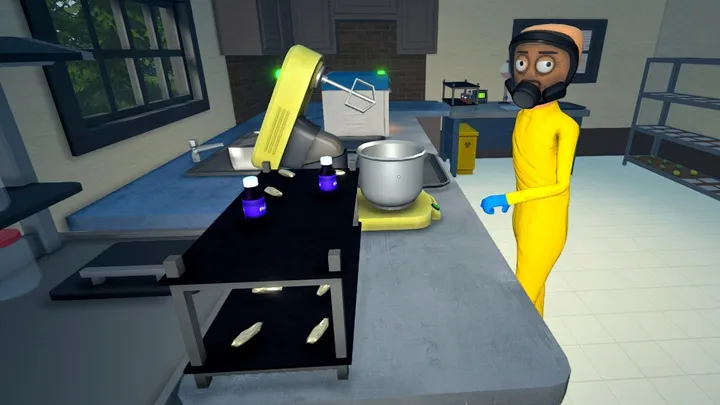
At its core, Schedule I is a management and simulation game. Players oversee production, distribution, finances, and risk.
Understanding how to balance profit and safety defines success.
Key Systems
- Resource management
- Territory control
- Risk and exposure meters
System Interaction
Each system affects the others, creating constant tension.
5. Economy, Money Flow, and Risk Management
Money drives progression in Schedule I, but greed can lead to disaster. Players must carefully decide how to reinvest profits.
Financial decisions influence attention levels and rival behavior.
Economic Considerations
- Operating costs
- Expansion expenses
- Emergency reserves
Risk Awareness
Overexpansion often attracts unwanted attention.
6. How to Expand Operations Safely
Expansion is tempting but dangerous in Schedule I. Growth increases income but also raises exposure.
Learning how to expand safely separates successful players from reckless ones.
Expansion Strategies
- Gradual territory growth
- Diversification of operations
- Strengthening defenses
Controlled Growth
Smart expansion prioritizes sustainability.
7. NPCs, Rivals, and World Interaction
The world of Schedule I reacts dynamically to player actions. NPCs, rivals, and authorities all influence gameplay.
Understanding how to interact with the environment improves survival chances.
Key World Elements
- Rival organizations
- Informants and contacts
- Law enforcement pressure
Social Dynamics
Trust and betrayal are constant threats.

8. Strategy, Planning, and Long-Term Survival
Success in Schedule I requires long-term thinking. Short-term gains often create long-term problems.
Learning how to plan ahead is critical in this hot game.
Strategic Planning Tips
- Maintain low visibility
- Prepare contingency plans
- Monitor risk indicators
Adaptive Strategy
Flexibility is more valuable than rigid plans.
9. Replayability and Player Freedom
Each playthrough of Schedule I feels different due to randomized events and player decisions.
This replayability strengthens its position as a hot game.
Replay Factors
- Multiple strategic paths
- Dynamic world reactions
- Different difficulty outcomes
Sandbox Experience
Players create their own stories.
10. The Future of Schedule I
The future of Schedule I looks promising, with planned updates, balance improvements, and new systems.
Continued development aims to keep it a long-term hot game.
Expected Improvements
- Expanded mechanics
- New events and scenarios
- Improved AI behavior
Developer Vision
To deepen realism without sacrificing playability.
Conclusion
Schedule I is a bold and challenging hot game that rewards intelligence, restraint, and strategic thinking. By learning how to manage resources, control risk, and adapt to a reactive world, players experience a tense simulation unlike typical management games.
For fans of mature themes and deep strategy, Schedule I offers an intense and thought-provoking journey where every decision matters.